Basics of Six Sigma | White/Yellow Belt complete course
Enroll now →
About this course
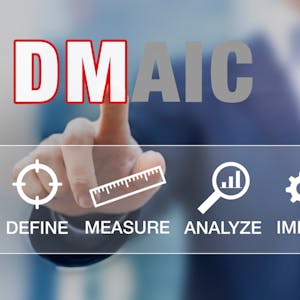
In this course we will be covering Everything from the basics. We will begin with - What is Six Sigma and move onto how it helps with decision making, it's application, types of qualifications, challenges faced, advantages, when to use and also cover processes like DMAIC(Define, Measure, Analyze, Improve and Control) Six Sigma is a set of techniques and tools for process improvement. Sigma emphasizes cycle-time improvement while at the same time reducing manufacturing defects to a level of no more than 3.4 occurrences per million units or events.The premise of Six Sigma is that variation in a process leads to opportunities for error; opportunities for error then lead to risks for product defects. Product defects—lead to poor customer satisfaction. By working to reduce variation and opportunities for error, the Six Sigma method ultimately reduces process costs and increases customer satisfaction.Course Layout: 1. Introduction2. Decision making with and without Six SigmaDecision making and Six SigmaDecision making with and without Six SigmaDecision making with Six Sigma tools3. Six Sigma Definition DefinitionSigma LevelsCalculating Sigma Levels4. More about Six SigmaPrimary PrincipleValue StreamsPurpose of creating value streamsContinous Process Improvement VariationRemoving wasteEquipping Employees and People5. Challenges faces while implementing Six SigmaLack of supportPoor Project ExecutionData access issues6. Applying Six SigmaApplying Six SigmaLevels of Six Sigma certification<
What you'll learn
- Understand the basics of Six Sigma
- Apply the DMAIC process
- Recognize challenges in implementing Six Sigma
- Make data-driven decisions with Six Sigma tools
Course objectives
- Provide a foundational understanding of Six Sigma
- Equip participants with tools for process improvement
- Highlight the importance of reducing variation to prevent defects
Skills you'll gain
Related courses

Curso Green Belt - Lean Six Sigma
USD 174.99
Six Sigma Advanced Define and Measure Phases
USD 49

Programa 5S [KIT DE IMPLEMENTAÇÃO PRÁTICA] + [1 CURSO EXTRA]
USD 39.99

Foundation of Global Supply Chains
USD 49
Six Sigma Green Belt
USD 49

Business Analytics with Excel: Intermediate to Advanced
USD 49

Mastering Word for Microsoft 365 Made Easy Training Tutorial
USD 19.99

International Supply Chains and Logistics
USD 49
Course details are provided by the platform and may change — always confirm on the provider's site. Links may be affiliate links.