Energy and Environment
Enroll now →
About this course
This course deals with both renewable and non-renewable energy. By applying scientific principles and considering real-world examples, you will examine: 1. Non-renewable fossil fuels with a focus on coal, petroleum and natural gas and the benefits and consequences of using each. 2. Renewable fuels such as wind and solar and identify that even renewable “green” energy sources have impacts as well as benefits. 3. Biodiversity and global change, which are the integrating units of environmental science. Additionally, you will explore answers to the following questions: 1. How do we evaluate coal, oil, and natural gas from an environmental science perspective? 2. What regulates energy conversions and losses in human-built systems? 3. How much energy “flows through your fingertips?” 4. How do we evaluate hydro, solar, wind, and biomass from an environmental science perspective? 5. How can we increase efficiency and conservation? You also take a tour of the Dartmouth Powerplant and listen to a conversation with Dartmouth Sustainability Director, Rosi Kerr. Furthermore, you will take a field trip to a PV tracker solar system, visit a straw bale house, and have a conversation about waste vegetable oil as an energy source in India.
What you'll learn
- evaluate the environmental impact of fossil fuels
- assess renewable energy sources from an environmental science perspective
- understand the interactions between biodiversity and global change
- increase awareness of energy efficiency and conservation methods
Course objectives
- examine the benefits and consequences of various energy sources
- explore energy conversions and losses in systems built by humans
- conduct field trips related to energy sources and sustainability
Skills you'll gain
Related courses

Global Sodium Reduction Strategies
USD 49
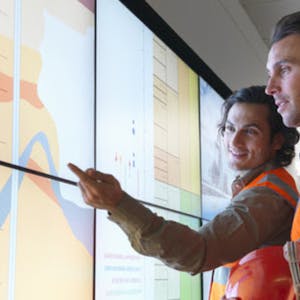
Geographic Information Systems (GIS)
USD 49
How Vaccines Work
USD 49
PrEParing: PrEP for Providers and Patients
USD 49

Organ Donation: From Death to Life
USD 39
The Emergence of Oncofertility (Past, Present & Future)
USD 49
Your Body in the World: Adapting to Your Next Big Adventure
USD 69

Master of Public Health
Free
Course details are provided by the platform and may change — always confirm on the provider's site. Links may be affiliate links.