Engineering Foundation for Building Energy Systems
Enroll now →
About this course
Building energy systems have a profound impact on the human condition, providing a comfortable, healthy, and productive indoor environment for daily life, while being responsible for significant energy, environmental, and economic costs. Buildings must meet increasingly complex objectives to achieve greater electrification and decarbonization and respond to societal needs for affordable housing and changes in the use of commercial buildings. To design effective solutions and analyze their performance, both engineers and architects need to stand on a solid foundation of engineering fundamentals, which this course intends to impart. After reviewing the motivation, history, and trends in building energy system design, you will learn psychrometric applications and analysis, the climate factors that affect building system design, the application of heat transfer to building heat gains and losses, and the calculation of heating and cooling loads that drive the engineering design of building energy systems, covered in subsequent courses.
What you'll learn
- Apply psychrometric principles to analyze building air conditions and moisture content
- Evaluate climate factors that influence building energy system design decisions
- Calculate heat transfer through building envelopes to determine gains and losses
- Compute heating and cooling loads for buildings to support system sizing and design
Course objectives
- Establish engineering fundamentals needed for building energy system design
- Understand the motivation, history, and current trends in building energy systems
- Prepare for advanced coursework in building system engineering and design
Skills you'll gain
Related courses

Physics of Oscillators and Waves
USD 49

Ethics in Engineering
USD 49

Introduction to High-Throughput Materials Development
USD 49
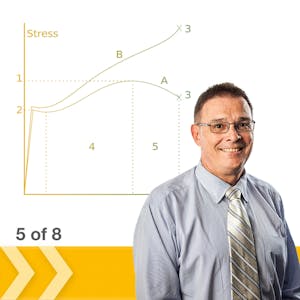
Mechanics of Materials I: Fundamentals of Stress & Strain and Axial Loading
USD 49
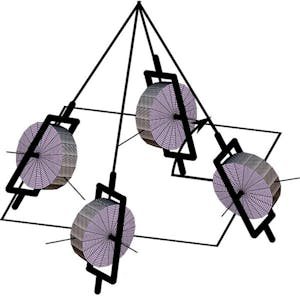
Advanced Spacecraft Dynamics and Control
USD 49

AI for Mechanical Engineers
USD 49
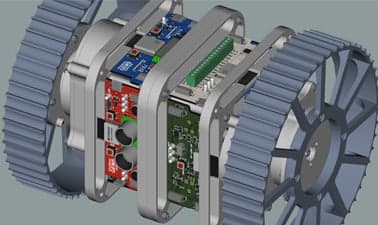
Building Robots: from Mechatronic Components to Robotics
USD 540

The Finite Element Method for Problems in Physics
USD 49
Course details are provided by the platform and may change — always confirm on the provider's site. Links may be affiliate links.