Engineering Genetic Circuits
Enroll now →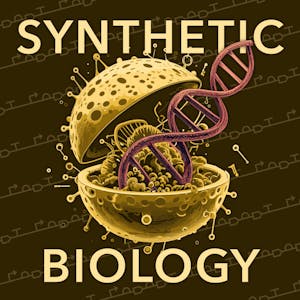
About this course
With the sequencing of the human genome and the genomes of other organisms, we now have a list of the parts that make up these genetic systems. Using this information, researchers are now able to engineer synthetic genetic circuits for a range of applications in the environmental, medical, and energy domains. Crucial to these efforts' success is the development of methods and tools for designing these genetic circuits. While inspiration can be drawn from experiences with electronic design, design with a genetic material poses several challenges. Genetic circuits are composed of very noisy components making their behavior more asynchronous, analog, and stochastic in nature. This specialization presents recent research into new methods and software tools for the modeling, analysis, and design of genetic circuits that are enabling this exciting new field of synthetic biology. As in the sequencing of the human genome, collaborations between engineers and biologists will be essential to the success of synthetic biology. Therefore, the goal of this specialization is to facilitate these collaborations by teaching both the biological and engineering principles necessary for such research.
What you'll learn
- understand the principles of synthetic genetic circuit design
- recognize the challenges associated with genetic materials
- apply methods and tools for modeling and analyzing genetic circuits
Course objectives
- facilitate collaboration between engineers and biologists
- develop a foundational knowledge of genetic circuits
- explore new methodologies in synthetic biology
Skills you'll gain
Related courses
Machine Learning for Trading
USD 49
Data Science Foundations
USD 49

DataPrep for H2O Driverless AI
USD 49

The Complete Quantum Computing Course
USD 199.99

Internet of Things and AI Cloud
USD 49

Statistical Learning for Data Science
USD 49

Information Extraction from Free Text Data in Health
USD 49

Generative AI for NLP with PyTorch Capstone Project
USD 49
Course details are provided by the platform and may change — always confirm on the provider's site. Links may be affiliate links.