Inquiries Into Bipedalism
Enroll now →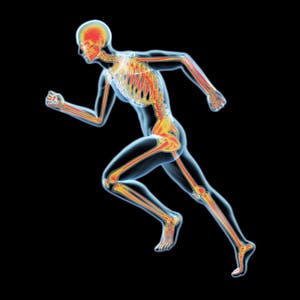
About this course
This course will help you learn that the shapes of bones reflect adaptations and the behaviors that animals frequently participate in. Understanding this relationship is critical for reconstructing the activities of animals in the past. In this course, you will participate in two such activities. You will examine the femurs from a number of different species. You will also explore how footprint data is used to estimate the height of a species. You will participate in a dig at the Koobi Fora fossil site in Kenya. Furthermore, you will explore what a phylogenetic tree is and how they help in discovering the relative relatedness of a group of species. Virtually you will visit the Hall of Human Origins at the Smithsonian's National Museum of Natural History. This course will also help you understand the world of fossils. How fossils are formed, how paleontologists find fossils, how they are examined to find information will also be discussed here. Every module of this course has been created with the intention of a “hands-on” learner experience, where you can play around with and learn from 3D renditions of different human and animal fossils. You will explore fossil sites as well.
What you'll learn
- analyzing femur structures from different species
- estimating species height from footprint data
- understanding fossil formation and excavation techniques
- exploring phylogenetic trees and species relatedness
Course objectives
- to enhance understanding of anatomical adaptations in animals
- to foster skills in analyzing paleontological data
- to encourage exploration of historical fossil sites
Skills you'll gain
Related courses

Black Performance as Social Protest
USD 49
Internet History, Technology, and Security
USD 49

Japanese Books: From Manuscript to Print
USD 149

Words Spun Out of Images: Visual and Literary Culture in Nineteenth Century Japan
USD 49

Anti-Racism I
USD 49

Intro to the Arctic
USD 49

After the Arab Spring – Democratic Aspirations and State Failure
USD 49
Pathway to Space
USD 49
Course details are provided by the platform and may change — always confirm on the provider's site. Links may be affiliate links.