Machine Learning Made Easy for Software Engineers
Enroll now →
About this course
Machine learning is increasingly integrated into modern software systems. This specialization helps software engineers build practical machine learning capabilities that extend beyond model training into full production workflows. You’ll begin by learning how to map business problems to machine learning tasks and train predictive models using common ML libraries. You’ll also explore techniques for optimizing models through hyperparameter tuning, evaluating algorithm performance, and validating model behavior to ensure reliability and explainability. Next, you’ll focus on training dynamics and model evaluation. You’ll learn how to analyze training behavior, apply appropriate performance metrics, diagnose prediction errors, and monitor models after deployment to detect drift and maintain system performance. The program then expands into machine learning engineering practices. You’ll design reliable data transformation workflows, orchestrate machine learning pipelines, and manage reproducible development environments using modern data engineering tools. Finally, you’ll deploy machine learning models as production services. You’ll containerize applications, integrate them into microservice architectures, monitor system performance, and debug ML systems when issues arise. Across the program, hands-on projects reinforce each stage of the ML lifecycle—from data pipelines and monitoring frameworks to deployed ML microservices.
What you'll learn
- translating business problems into machine learning tasks
- training predictive models using commonly used ML libraries
- optimizing models through hyperparameter tuning
- evaluating algorithm performance with appropriate metrics
- designing data transformation workflows
- managing reproducible development environments
- deploying machine learning models as production services
Course objectives
- build practical machine learning capabilities for software engineering
- ensure reliability and explainability of models
- monitor models post-deployment to manage performance
Skills you'll gain
Related courses
Machine Learning for Trading
USD 49
Data Science Foundations
USD 49
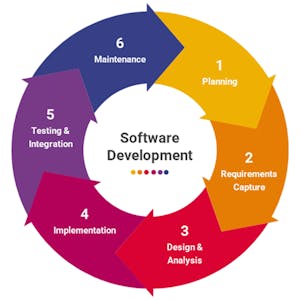
Software Engineering
USD 49

Software Testing and Automation
USD 49

Statistical Learning for Data Science
USD 49

DataPrep for H2O Driverless AI
USD 49

The Complete Quantum Computing Course
USD 199.99

Internet of Things and AI Cloud
USD 49
Course details are provided by the platform and may change — always confirm on the provider's site. Links may be affiliate links.