Principal Component Analysis with NumPy
Enroll now →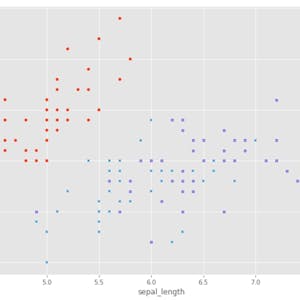
About this course
Welcome to this 2 hour long project-based course on Principal Component Analysis with NumPy and Python. In this project, you will do all the machine learning without using any of the popular machine learning libraries such as scikit-learn and statsmodels. The aim of this project and is to implement all the machinery of the various learning algorithms yourself, so you have a deeper understanding of the fundamentals. By the time you complete this project, you will be able to implement and apply PCA from scratch using NumPy in Python, conduct basic exploratory data analysis, and create simple data visualizations with Seaborn and Matplotlib. The prerequisites for this project are prior programming experience in Python and a basic understanding of machine learning theory. This course runs on Coursera's hands-on project platform called Rhyme. On Rhyme, you do projects in a hands-on manner in your browser. You will get instant access to pre-configured cloud desktops containing all of the software and data you need for the project. Everything is already set up directly in your internet browser so you can just focus on learning. For this project, you’ll get instant access to a cloud desktop with Python, Jupyter, NumPy, and Seaborn pre-installed.
What you'll learn
- Implement Principal Component Analysis from scratch using NumPy without relying on scikit-learn or other ML libraries
- Perform exploratory data analysis on datasets
- Create data visualizations using Seaborn and Matplotlib
- Understand the underlying mathematics and mechanics of PCA through hands-on implementation
Course objectives
- Build foundational understanding of PCA by implementing the algorithm manually
- Apply dimensionality reduction techniques to real datasets
- Develop proficiency in NumPy for numerical computing tasks
Skills you'll gain
Related courses
Data Science Foundations
USD 49

Machine Learning for Trading
USD 49

Data Analytics in the Public Sector with R
USD 49

Data Science as a Field
USD 99
Geographic Information Systems (GIS)
USD 49
Data Visualization & Analytics in Tableau
USD 49

Programming for Python Data Science: Principles to Practice
USD 49

Enhancing Reproducible Science with GitHub and Docker
USD 49
Course details are provided by the platform and may change — always confirm on the provider's site. Links may be affiliate links.