Web3 and Blockchain Transformations in Global Supply Chains
Enroll now →
About this course
The global supply chain is a $50 trillion industry and is the foundation of our global economy. While information technology has improved the flow of goods globally over the last few decades, as the COVID-19 crisis revealed there is still critical work to do. Today’s supply chains are complex, with parties conducting their transactions through a Byzantine network of computer systems with disparate applications like e-mail, phone, and fax. There are invoices, letters of credit, bank guarantees, bills of lading, tax forms, receipts, and other paperwork moving through this complex labyrinth. Payments are made through a hodgepodge of intermediaries, and consumers and supply chain players alike struggle to get accurate information. Enter blockchain—the Internet of Value. For the first time in human history, individuals and organizations can manage and trade their assets digitally peer to peer. These assets can be digital like money, identity, and private information; or they can be physical assets represented by digital tokens. Parties to a transaction achieve trust not necessarily through an intermediary, but through cryptography and clever code. In this course, you will learn how blockchain can improve global supply chains by streamlining processes, reducing costs and fraud, improving supply-chain visibility, authenticating assets and their origins, and ultimately fuelling product innovation. Development of this course was made possible thanks to the generous support of FedEx. Dale Chrystie, Business Fellow & Blockchain Strategist at FedEx, appears in several of the course videos, bringing a real-world industry perspective to the course. The scripts for these videos have been written and/or reviewed by the Blockchain Research Institute and approved by INSEAD to ensure that this content is pedagogically sound, unbiased, and academically rigorous.
What you'll learn
- understand the role of blockchain in improving supply chain operations
- identify the challenges faced in current supply chain systems
- analyze how blockchain can reduce costs and fraud
- evaluate the impact of blockchain on supply chain visibility and asset authentication
Course objectives
- to teach how blockchain can streamline supply chain processes
- to highlight the importance of transparency in transactions
- to provide a real-world perspective on blockchain applications in logistics
Skills you'll gain
Related courses

Curso Green Belt - Lean Six Sigma
USD 174.99

Programa 5S [KIT DE IMPLEMENTAÇÃO PRÁTICA] + [1 CURSO EXTRA]
USD 39.99
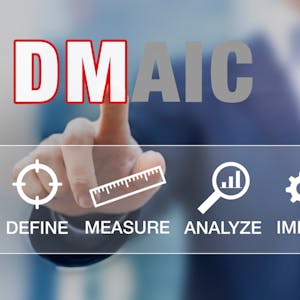
Six Sigma Advanced Define and Measure Phases
USD 49

Foundation of Global Supply Chains
USD 49

Business Analytics with Excel: Intermediate to Advanced
USD 49

Six Sigma Green Belt
USD 49

Mastering Word for Microsoft 365 Made Easy Training Tutorial
USD 19.99

Sports Turf Management: Best Practices
USD 49
Course details are provided by the platform and may change — always confirm on the provider's site. Links may be affiliate links.