
Choosing the right laptop is crucial for engineering students, as it impacts their productivity and overall academic experience. With demanding software requirements and the need for portability, picking a laptop that balances performance and durability is essential. Here’s a guide to the best laptops tailored for engineering students.
What to look for
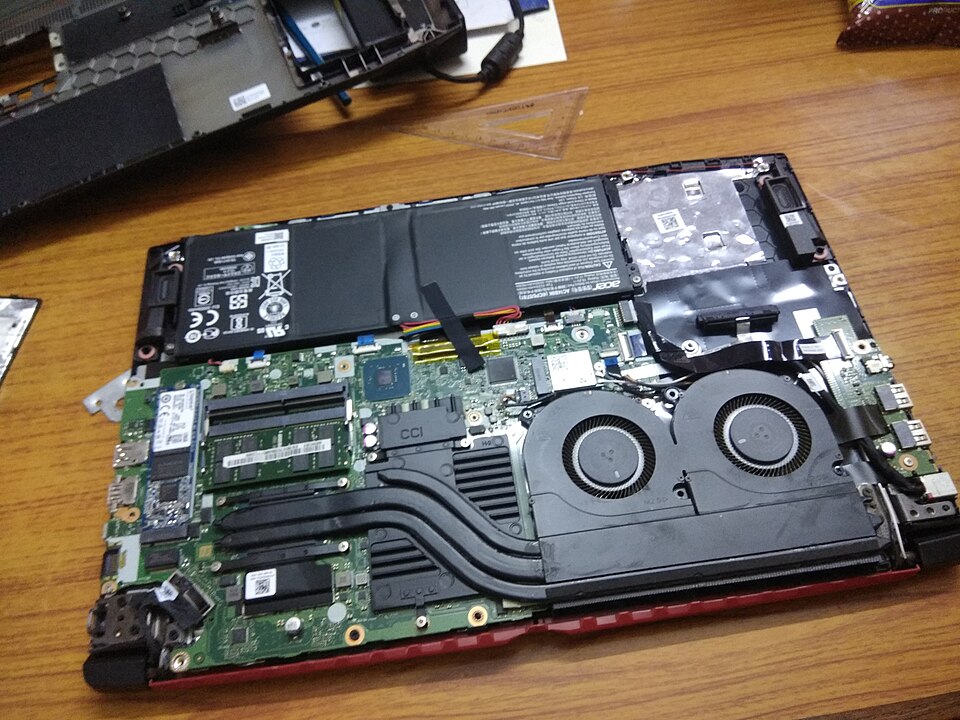
- Performance: Look for a laptop with a powerful processor (Intel i5 or i7, or AMD Ryzen 5 or 7) and at least 16GB of RAM to handle engineering applications smoothly.
- Graphics: A dedicated graphics card is important for running CAD software and simulations, so consider models with NVIDIA or AMD graphics.
- Storage: An SSD is preferable for faster boot times and quicker file access. Aim for at least 512GB of storage to accommodate large project files.
- Battery Life: Long battery life is vital for students who need to work on the go. Look for laptops that offer at least 8 hours of battery life.
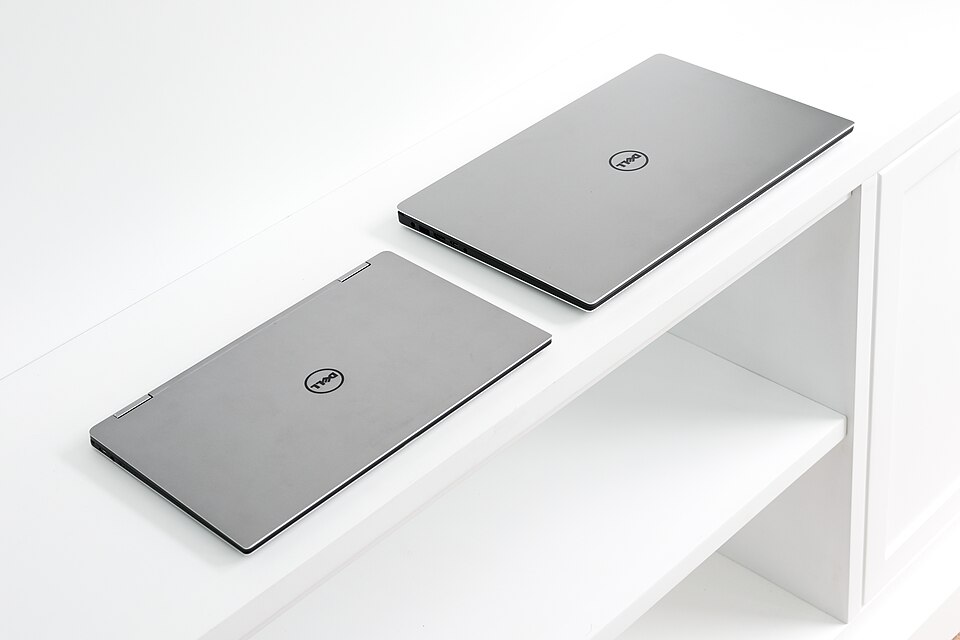
- Weight and Portability: A lightweight laptop is easier to carry around campus, so consider models that are slim and portable.
Final tips
When choosing a laptop, prioritize your specific needs based on your engineering discipline. Make sure to check compatibility with the software you plan to use and consider future-proofing your choice with more RAM and better graphics. Investing in a reliable laptop will enhance your academic experience and productivity throughout your studies.