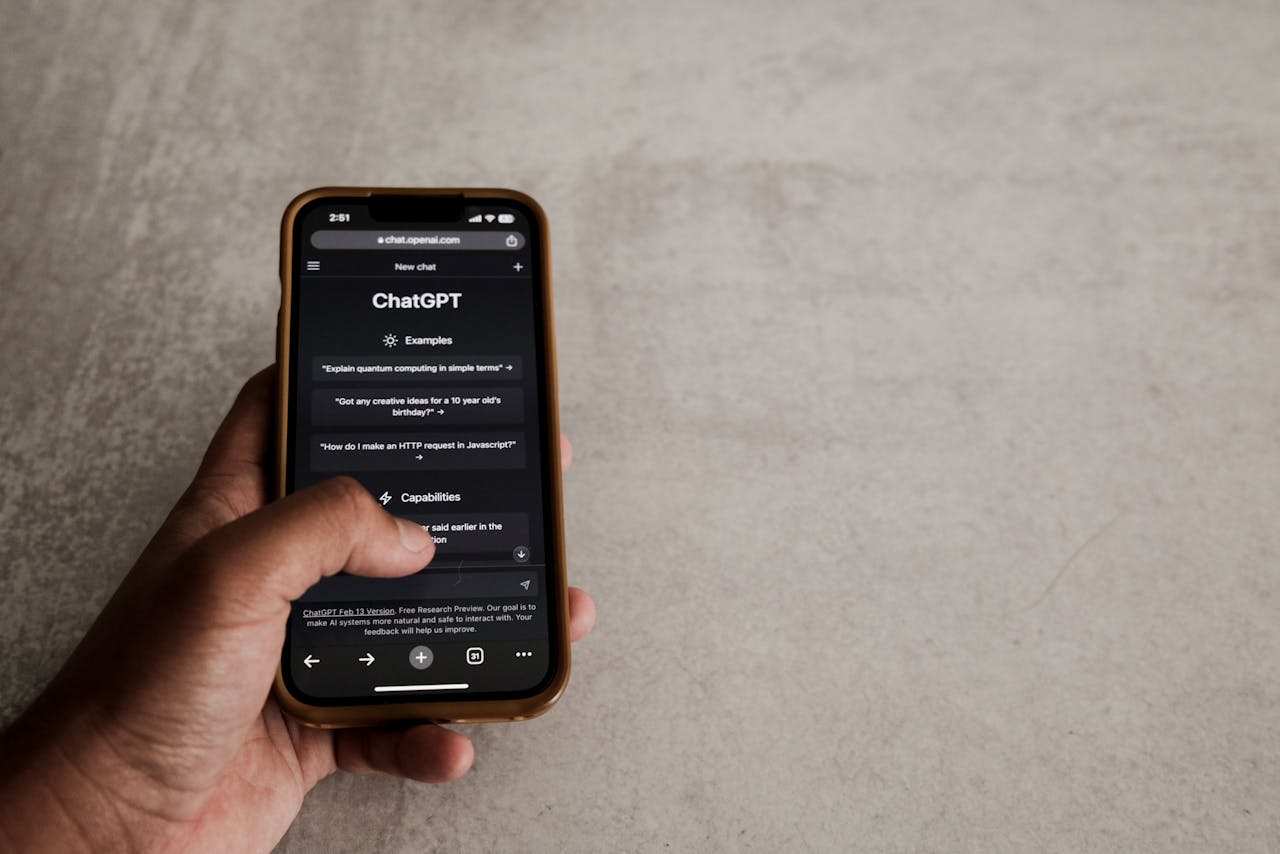
Phone verification shouldn’t be the slowest part of getting value from ChatGPT. Still, many users hit the same snags: codes that don’t arrive, retry cool-downs, or odd behavior on emulators and hardened browsers. This guide distills a repeatable, ToS-safe process that works for single users and teams alike, so activation becomes predictable instead of painful.
Why activation breaks
Most issues fall into four buckets.
Aggressive resends. Hammering the “Send again” button often triggers throttling.
Clock drift. OTP windows are short; if your device time is off, valid codes fail.
Environment noise. Extensions, ad blockers, VPN chains, or emulators can trip extra checks.
Routing variance. SMS delivery differs by region, carrier, and number pool history.
The fast path (7 steps)
Pick the target region for your OpenAI account and billing.
Use a clean profile/device: fresh browser profile, no odd extensions, time auto-sync on.
Allocate the right inventory. For one-off needs you can simply receive sms online and capture the OTP without exposing your personal SIM. If you’re targeting US flows, provision a temp phone number for openAi to align routing with the service.
Request the code once and note the timestamp.
Wait 60–180 seconds. Most routes are fast, not instantaneous.
Apply the OTP exactly once. If it fails, restart the step rather than spamming resends.
Rotate one variable at a time: number, device/profile, or IP class, with a 10–20-minute cooldown.
Solo vs. team setup
Individuals. Keep your personal SIM out of third-party databases; use a temporary number to isolate risk and spam. Record what worked (region, latency, success) so a future re-activation takes minutes, not hours.
Teams. Treat activation as a runbook: allocate → request → capture → apply → log → release. Gate OTP dashboard access with roles; store only minimal metadata (timestamp, region, outcome).
Troubleshooting matrix
No code after ~3 min: verify auto time-sync, then switch number or device profile—don’t change everything at once.
Intermittent delivery: try a second route in the same region; if variance stays high, move to an adjacent region.
Persistent “invalid code”: clear cache/cookies for the signup domain and restart the flow.
Emulator only fails: validate once on a physical phone to separate environment noise from real routing issues.
What “good enough” looks like
Median latency under 60–90 seconds from request to receipt.
Resend rate under 5%.
Security, compliance, and etiquette
Using temporary numbers for lawful privacy, environment rotation, or operational continuity is fine; you still need to obey OpenAI’s Terms and local laws. Don’t store OTPs longer than necessary, don’t share codes in open chats, and avoid mixed signals during activation (e.g., far-away IP plus a mismatched number region).
Quick FAQ
Will a temporary number work with ChatGPT?
Yes—when it’s from a real-SIM pool and matched to the service/region. That’s why service-aligned inventory reduces friction.
I travel a lot. Tips?
Keep signals consistent during the activation window: location, timezone, number region, and network quality.
How do I support non-technical teammates?
Give them a one-page checklist and a single link to allocate numbers—either the general receive sms online flow for ad-hoc tasks or the US-focused temp phone number for openAi link for predictable delivery.
Bottom line: activation should be boring. With a clean environment, spaced retries, and the right number inventory, you’ll be chatting in minutes—and you’ll have a process that scales with your team.
One activated account per real user; no multi-account farming or evasive automation.