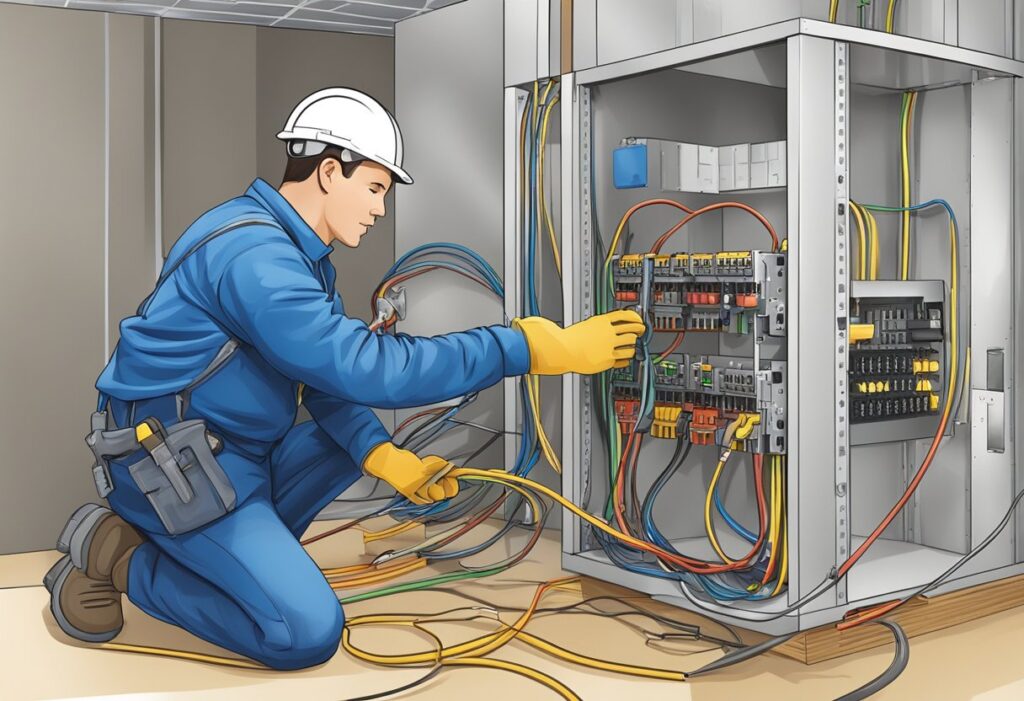
In today’s complex electrical environments, ensuring electrical safety, regulatory compliance, and energy system reliability is not just good practice – it’s essential for protecting people, equipment, and business continuity. Leading engineering firms like Bowtie Engineering deliver comprehensive solutions that help organizations meet stringent safety standards and optimize performance. From electrical safety testing and incident energy studies to electrical maintenance, energy asset management, and EV systems testing for safe and scalable charging infrastructure, Bowtie Engineering’s services equip facilities with the tools and insights they need. Their training programs also include up-to-date NFPA 70E courses and guidance on establishing the arc flash boundary , a key concept in electrical hazard mitigation.
The Foundation of Electrical Safety
Electrical safety begins with a thorough understanding of the risks inherent in every facility’s power system. Electricity can cause serious injury or death through arc flash, electric shock, and equipment failure if not properly controlled. To mitigate these risks, organizations should:
Perform comprehensive electrical safety testing to verify that system components operate within design limits and safety standards.
Conduct incident energy studies to calculate the amount of thermal energy released during an arc flash event, helping define safe work practices and PPE requirements.
Implement robust electrical maintenance programs that proactively identify and correct deteriorating or unsafe conditions.
Bowtie Engineering specializes in these foundational services, helping clients identify hazards, quantify risks, and implement practical controls that protect personnel and assets.
Ensuring Compliance with Standards and Regulations
Maintaining compliance with standards such as NFPA 70E, OSHA requirements, and IEEE guidelines is crucial for legal and operational reasons. Non-compliance can result in fines, work stoppages, and increased liability exposure in the event of an incident. Bowtie Engineering’s compliance support includes:
Up-to-date training on NFPA 70E working clearances, PPE selection, and safe work procedures.
Assistance in developing and documenting electrical safety programs tailored to facility size and industry.
Review and verification of electrical infrastructure against applicable regulatory requirements.
Through structured training and practical assessments, organizations can strengthen their safety culture and ensure workers are confident in making safe decisions around energized equipment.
Energy System Reliability: Reducing Downtime and Extending Equipment Life
Beyond safety and compliance, ensuring energy system reliability helps businesses avoid costly outages. Unexpected failure of electrical components can halt operations, damage equipment, and erode stakeholder confidence. A strong reliability program includes:
Regular inspection and testing of switchgear, transformers, and protection systems.
Predictive maintenance using waveform analysis and thermography to catch issues before they escalate.
Strategic energy asset management that tracks lifecycle status, prioritizes upgrades, and allocates budget effectively.
Bowtie Engineering helps clients build reliability into their power systems by integrating maintenance planning with performance data, reducing unplanned downtime and increasing overall system resilience.
Preparing for the Future: EV Systems and Scalable Charging
As electric vehicles (EVs) become more prevalent, facilities must prepare electrical infrastructure to support safe and scalable EV charging systems. Challenges include:
Assessing electrical capacity and load impacts to avoid overloads.
Testing EV supply equipment (EVSE) to ensure compliance with safety and performance standards.
Integrating EV charging with existing energy management systems to optimize energy use.
Bowtie Engineering provides EV systems testing and validation services that ensure charging infrastructure is not only safe but also efficient and scalable. This proactive approach is critical for campuses, fleets, and commercial facilities planning large-scale EV adoption.
Training and Culture: Empowering Your Workforce
Safety programs are only effective if people understand and embrace them. Training enhances competency and awareness, reducing human error – a leading factor in electrical incidents. Bowtie Engineering’s NFPA 70E training courses cover:
Hazard recognition and risk assessment.
Determining the arc flash boundary and required personal protective equipment.
Safe work practices for energized and de-energized tasks.
By equipping teams with practical knowledge, companies reinforce a culture of safety that goes beyond compliance checkboxes and makes safety a daily habit.
Electrical safety, compliance, and system reliability are interconnected pillars that support modern power systems. Firms like Bowtie Engineering play a critical role in helping organizations navigate these challenges — from detailed testing and incident energy studies to maintenance planning, EV systems readiness, and workforce training. An investment in comprehensive electrical safety and reliability not only protects lives and assets but also ensures that operations remain resilient and future-ready.