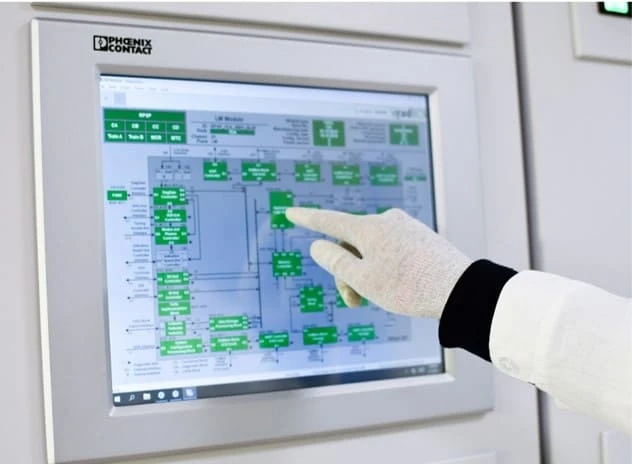
The energy industry is transitioning from a traditional model of linear electricity transmission to an integrated digital ecosystem. The Smart Grid concept is shaping a new logic for networks, with two-way data exchange, automated load balancing, and flexible management of distributed generation.
This means that the power grid is no longer a “passive conductor” of energy. It is becoming an intelligent system that analyses the condition of equipment, predicts peak loads and responds instantly to emergencies.
The digitalization of power generating industry is impossible without the right industrial automation solutions, because it is reliable equipment that ensures data accuracy, system stability and reliable integration into a single digital control loop.
Digitalization of Generation: Accuracy and Predictability
At the power plant level, digital solutions are integrated into all key control networks:
- Turbine and generator monitoring systems;
- Digital relay protection complexes;
- Automated process control systems (APCS);
- Big data analytics.
Modern SCADA platforms allow operators to monitor critical parameters in real time: temperature, pressure, vibration, electrical characteristics. Due to predictive analytics algorithms, a predictive maintenance approach is implemented – maintenance based on actual condition rather than a calendar schedule.
The result is fewer emergency shutdowns, higher equipment availability, and stable generation performance.
Digital Substations and Automated Networks
One of the most notable areas of transformation is the transition to digital substations. The use of the IEC 61850 standard ensures:
- Unified data exchange between devices;
- Rapid integration of equipment from different manufacturers;
- Reduction in the number of cable connections;
- Increased signal transmission reliability.
Intelligent electronic devices (IEDs) are replacing traditional analogue solutions, and protection and automation are operating at millisecond response speeds. This is critical for systems where delays can lead to large-scale shutdowns.
Security: Cyber Protection as Part of the Energy Strategy
Digitalization increases efficiency, but at the same time expands the cyber-attack surface. Therefore, cybersecurity is becoming an integral part of energy infrastructure.
Comprehensive systems implement:
- Network segmentation;
- Multi-level access authentication;
- Monitoring of abnormal activity;
- Server infrastructure redundancy.
Protecting information flows is just as important as physically protecting equipment. This is especially true for critical infrastructure and nuclear power facilities.
Data as a Management Asset
Digital technologies transform technical parameters into a management tool. Analytical modules allow you to:
- Forecast consumption;
- Optimize load schedules;
- Balance the operation of renewable sources;
- Reduce technological losses.
Energy generating companies are moving from reactive to proactive management. Decisions are made based on accurate data, not intuition or historical experience.
Benefits of Digitalization for the Industry
- Improved operational efficiency. Digital systems allow for the optimization of electricity generation and distribution modes, taking into account actual load, weather conditions and network status. Automatic balancing algorithms reduce equipment overload and minimize technological losses.
- Increased network reliability and stability. Intelligent diagnostic systems detect deviations at an early stage, before they develop into accidents. Automated relay protection systems localize damage in milliseconds, preventing cascading shutdowns.
- Transparency and controllability of processes 24/7. Digital platforms provide centralized monitoring of all system nodes – from generation to end distribution points. Management has access to real-time analytics, including KPIs, loss levels, and power quality indicators.
- Readiness for integration of renewable energy sources. Wind and solar generation are inherently unstable. Digital systems for forecasting output and managing storage facilities allow for the effective integration of renewable energy sources into the overall grid without disrupting the balance.
- Increased cyber resilience. Modern power engineering is impossible without comprehensive cyber protection. The implementation of international standards, in particular ISO/IEC 27001, allows for systematic management of information security, minimizing the risks of external interference. Cyber resilience is becoming a competitive advantage and a regulatory requirement.
- Reducing operating costs. Automation decreases the need for manual operations, optimizes resource utilization and reduces maintenance costs. Energy-efficient load management algorithms help minimizing peak costs and imbalance penalties. Digitalization has a long-term financial impact and directly affects the company's profitability.
Digitalization as a Condition for Competitiveness
Digital technologies are changing the power engineering systematically: from network architecture to management culture. The industry is transitioning to a model where every process is measured, analyzed and optimized.
For energy generating companies, investing in digital solutions is not an option but a strategic necessity. Those who implement intelligent systems today are building stability, security and competitive advantage for years to co