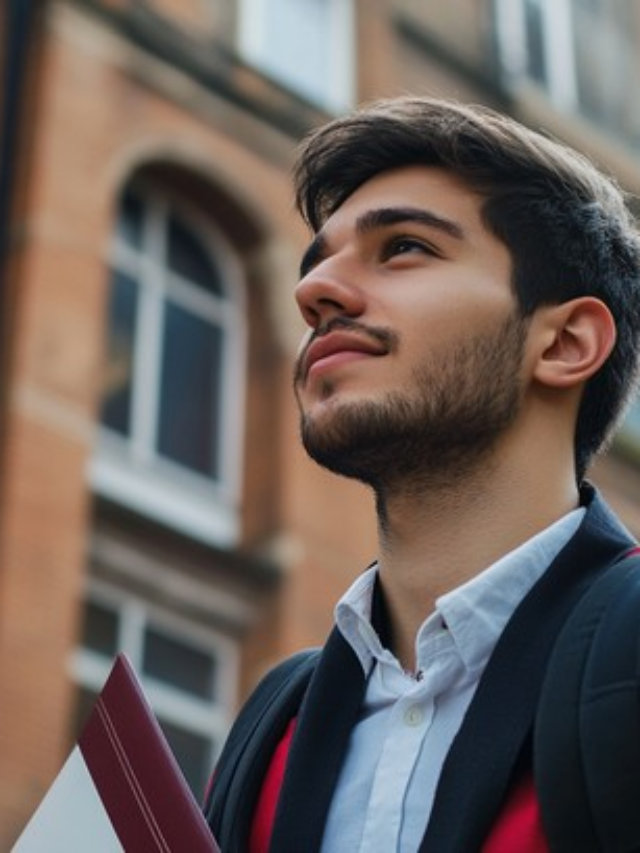
There's a version of this problem that's obvious and a version that isn't. The obvious version is the headshot that's clearly unprofessional — bad lighting, casual setting, visibly old. Most people know when they're in that situation and feel some low-level discomfort about it every time they share a link to their LinkedIn profile or get introduced on a conference speaker page.
The less obvious version is the headshot that looks fine but isn't doing what it should. It's technically acceptable — reasonably well-lit, recent enough, not embarrassing. But it doesn't communicate confidence. It doesn't read as particularly credible. It doesn't make someone want to learn more about the person in the frame. It's a neutral image in a context where neutral is a missed opportunity.
Both versions have consequences, and they accumulate quietly. A recruiter who passes quickly over a profile. A potential client who forms a slightly uncertain first impression before reading a single credential. A speaker whose bio photo doesn't match the authority their experience warrants. None of these moments announces itself — but collectively they shape outcomes in ways that are difficult to trace back to the image and easy to attribute to something else.
Professionals who visit https://www.gornphotoheadshots.com/ are often surprised by how much shifts after updating a headshot — not because the new image is dramatically different from the old one, but because it finally does what the old one didn't.
What a Headshot Session Should Actually Feel Like
The camera-anxiety problem is real and significantly underestimated. A large portion of professionals who need a headshot don't enjoy being photographed — they feel self-conscious, don't know what to do with their face, and end up with images that look exactly like what they are: a person trying to hold an expression they don't normally wear, waiting for it to be over.
The quality of a headshot session depends heavily on how the photographer manages that dynamic. Technical skill with lighting and composition is a baseline requirement, not a differentiator. What separates sessions that produce genuinely usable images from sessions that produce a selection of equally uncomfortable-looking photos is whether the photographer can get someone to relax, move naturally, and eventually forget they're being photographed.
This takes a specific combination of skills that has nothing to do with camera settings. It's the ability to direct without making someone feel directed, to make small adjustments to posture and expression through conversation rather than instruction, and to keep the energy in the room loose enough that the subject stops performing and starts just existing in front of the lens. When that happens, the images show it immediately.
For corporate teams, this dynamic plays out at scale. A photographer who can move through fifteen or thirty employees in a single session — each of whom has varying levels of comfort with being photographed, varying amounts of time to spare, and varying ideas about what they want from the photos — without disrupting the workday or producing a set of images where everyone looks like they were photographed at gunpoint, is doing something genuinely difficult.
The logistics matter, the interpersonal skills matter, and the technical consistency across the full set matters, because team headshots that look like they were taken by different photographers on different days undermine the purpose of having them done together.
When to Book and What to Prepare
The timing question is simpler than most people make it. If the current headshot is more than two years old, or was taken at a different career stage, or produces a small wince every time it's looked at — it's time. Waiting for a specific milestone or occasion usually means the suboptimal image stays in circulation for longer than it should.
Preparation is mostly about clothing choices and not overthinking it. Solid colors photograph better than patterns. Clothes that reflect the actual professional context — not more formal than everyday, not noticeably less — tend to produce images that feel natural. Hair and makeup services are available for sessions where that level of preparation makes sense.
GornPhoto offers individual and corporate team sessions in New York and on location, with packages built around different needs and scales. The goal is always the same: images that work across every platform and context where they'll be used, taken in a session that doesn't feel like an ordeal.