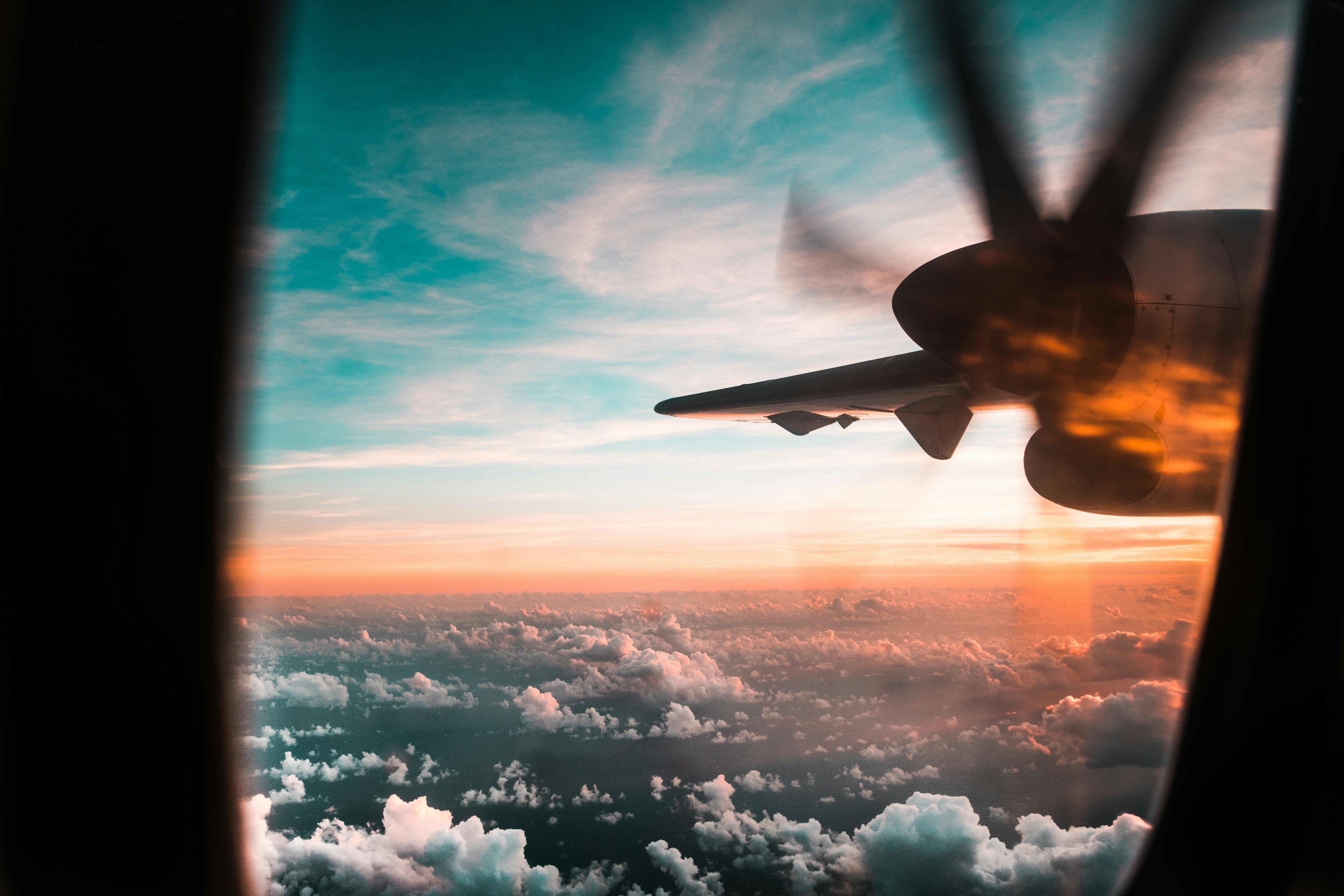
Everyone has that moment looking out a plane window. You wonder what it feels like up front. You imagine handling all those controls. The truth is pilot training is nothing like you expect. It is harder than it looks. It is also more rewarding. The journey takes time and money. It takes patience too. But for those who stick with it, the view from the cockpit is worth everything.
Getting Started with the Basics
Most people start with zero knowledge. You sit in a small plane with an instructor. They show you the controls. They let you feel how the plane responds. It feels awkward at first. Your hands are not sure where to go. Your eyes dart between instruments and the horizon. Slowly things start to make sense. The goal of becoming a pilot feels far away in those early hours. But every flight builds on the last one. You learn to trust yourself. You learn to trust the machine.
Ground School Is Not Optional
Everyone wants to fly. Nobody wants to hit the books. But ground school is part of the deal. You study weather patterns and air law. You learn how engines work. You memorize navigation rules. It feels like drinking from a fire hose sometimes. The information keeps coming. You take notes and make flashcards. You quiz yourself during lunch breaks. It is tedious but necessary. The written exams test everything you learned. Pass them and you move forward. Fail and you try again.
Learning to Trust Your Instructor
Your flight instructor becomes a big part of your life. They sit beside you through good landings and bad ones. They talk you through crosswind approaches. They let you make mistakes but keep you safe. Some instructors are patient. Others push you hard. Both styles teach you something. You learn to take criticism without getting defensive. You learn to try again after messing up. The relationship matters more than you realize. Years later you still remember their voice in your ear.
Solo Flight Changes Everything
The first solo flight is unforgettable. Your instructor gets out of the plane. They stand on the ground and watch. You are alone with the controls. The plane feels different without their weight. It climbs faster. It handles lighter. Your heart pounds during takeoff. The silence in the headset is strange. You fly the pattern alone. You line up with the runway. The touchdown feels smoother than usual. You roll to a stop and just sit there. You actually did it alone. Nothing else in training feels quite like that moment.
Dealing with Bad Days
Some days you will fly terribly. Your landings bounce. Your radio calls come out wrong. You forget basic procedures. It happens to everyone. The important thing is how you respond. You cannot let one bad flight shake your confidence. You debrief with your instructor. You figure out what went wrong. You come back the next day and try again. Resilience matters more than natural talent. The pilots who succeed are the ones who keep going after hard days.
Learning to Trust Your Instruments
Weather is not always perfect. Sometimes you cannot see the horizon. Clouds surround the plane. Your inner ears lie to you. They say you are turning when you are straight. They say you are level when you are banking. This is where instrument training saves you. You learn to ignore your feelings. You trust what the gauges tell you. It feels wrong at first. It feels like surrendering control. But instruments do not get dizzy. They do not get confused. Learning to trust them keeps you alive.
Building Time and Experience
After the licenses come the hours. You need time in the air. Lots of it. You fly cross countries alone. You take friends up for fun. You practice maneuvers over and over. The hours add up slowly at first. Then faster as you build momentum. Every hour teaches something new. You see different airports. You handle different weather. You gain confidence with each landing. The logbook fills up page by page. Each entry represents another step forward.
Checkrides Test Everything
Checkrides are the final exams. An examiner flies with you. They watch everything you do. They ask questions during the flight. They throw simulated emergencies at you. Your engine fails on paper. Your instruments go dark hypothetically. You must handle it all while they watch. Nerves are part of the experience. Your mouth gets dry. Your hands sweat a little. But training takes over. You do what you practiced. You show them you are ready. Passing feels like winning a trophy.
The Surprising Parts
Some things about training surprise everyone. You never expected to love weather theory. You never expected to miss your instructor after moving on. You never expected the friendships with other students. Late nights studying together create bonds. Watching each other solo creates memories. The community becomes part of the experience. You celebrate their successes. They celebrate yours. That support system matters more than you know during tough stretches.
Looking Back at the Journey
Pilot training changes you. You start as someone who dreams about flying. You end as someone who actually does it. The process strips away ego and builds real skill. It teaches patience and precision. It shows you what you are made of. Not everyone finishes. Some quit along the way. The ones who keep going earn something special. Every flight after training carries echoes of those early lessons. The struggle made the reward sweeter. The view never gets old.