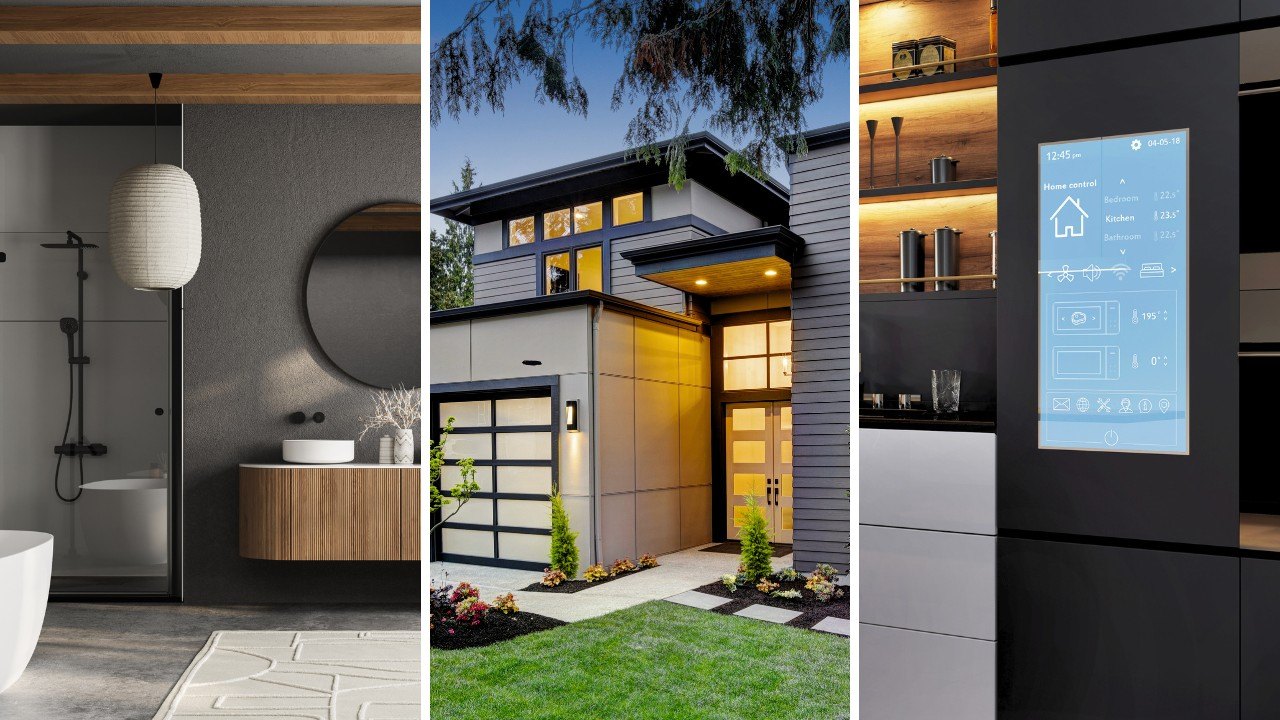
Modern homes are no longer just shelters but dynamic spaces that evolve with technology, sustainability, and changing family needs. Smart renovations are more than just surface-level interventions; they marry comfort with innovation to ensure long-term value. A good renovation anticipates how future homeowners will live: with flexible layouts, green systems, and designs to cut down maintenance costs and good overall efficiency. Through sensible improvements today, property owners create a home that will remain functional and desirable well beyond the current era.
Sustainability and Efficiency as Priorities
Recently there has been a strong concern on the implications of sustainability in house refurbishments. With the advent of modern houses came a need to cut down on energy costs and avert adverse environmental pressures, hence, most people install better insulators, energy efficient windows, and solar panels. For instance, reclaimed wood and paint containing low levels of VOCs are preferred not only on health grounds, but they may also be applied in the event of a sudden change in legislation. Simple installations, such as an energy-saving appliance or an improved energy-efficient stove gas burner, will help cut down energy costs. The house needs to be designed in a way that it can endure the environmental euphoria while staying trendy and comfortable.
Technology Integration for Smarter Living
Smart home technology is no longer considered a luxury but rather a necessity. From lighting to climate control to voice commands, these systems simply multiply convenience and efficiency in working day-to-day. Putting money into home automation infrastructure during renovation will spare homeowners from costly retrofits later on. For instance, wireless connectivity and energy monitoring systems can be pre-installed to have the home ready for new devices or upgrades in the future. Smart water meters, programmable thermostats, and security systems add to the enjoyment of both life and property, and they increase property value for a future resale. A home wanting to be adaptive to learning about the occupants' habits will never fade away in an ever-changing market.
Designing for Flexibility and Functionality
One of the most practical ways to enable a home to continue serving its purpose when family dynamics take a turn is through flexible spaces. The ion can be achieved through open living, using modular furniture or even multi-functional rooms which allows one to use different spaces, as is necessary over time in one’s life. An area that functions as a home office may later be turned into a place for guests or even an artistic room. In places such as Victoria, it is more common for a house to be extended rather than to build another house, as house extension Melbourne companies often advise, therefore, such extensions allow for more space for different functions that may come up in the future. Extensions make it possible to increase the usability and the market value of the property without removing the pre-existing design.
Durability and Low-Maintenance Materials
Smart renovation also means the selection of materials. Flooring needs to be able to take the wear and tear- that is, engineered wood or polished concrete. For composite surfaces, maintenance is a breeze and downright neat looking. The materials should be resistant to moisture, pests, and temperature changes so they last for a long time. Structural improvements provide guard from very costly repairs in the feature, like reinforcing the roof or upgrading the plumbing systems, as opposed to merely aesthetic changes. Such upgrades, when wisely chosen, will quell any nasty surprises and give a lot of comfort to the owner.
Health, Comfort, and Well-Being
In the present-day manner, the trend is a healthy indoor environment. Sunlight rays provide better air quality and ventilations with finishes being nontoxic. Further soundproofing of the situation, with heat, solar glare, and smart light, can assist the residents with their comfort. Biophilic design features hence connect interiors to nature directly and indirectly through natural materials and greenery, decreased stress, and increased productivity. Future-proofed homes are those with spaces working for both physical and emotional well-being and change with the evolving needs of the people in them.
Balancing Aesthetics with Practicality
Trends are the easiest things to follow; trending right now, renovations have to balance between the beauty and the longevity. Neutral colours stand as a timeless feature, beginning to feel antique-I like smooth, minimal lines and finishes. Architectural detailing may perhaps be modestly modernized for acceptance into current-day tastes so as not to compromise the property's character. Homefunctions get creatively modernized, perhaps through kitchen reworking to improve efficiencies or develop storage features-all molding to feel new and eternal at once. If every design decision has to cover functional and aesthetic grounds, the home will stand as a recipient on the evolutionary tide of trends and technologies.
Investing Wisely for Long-Term Value
Renovations carried out with a long-term vision provide best ROI through the passage of time. Be it upgrading infrastructure or embracing energy-efficient solutions or modernizing living spaces; these are things that keep the place attractive for future buyers. Professionals that know about long-term design concepts can help homeowners spend money wisely and avoid unnecessary upgrades. The encouragement for smart renovations should not only be to improve current comfort but must be equally geared toward preserving future value, thus, every decision becomes a bit of an everlasting legacy.
Future-proofing a home stands for foresight, function, and ergonomic comfort. With clear design intent, cutting-edge technology, and flexible layouts, the homeowners have the means to create a home worthy of standing the charm of trends and time.