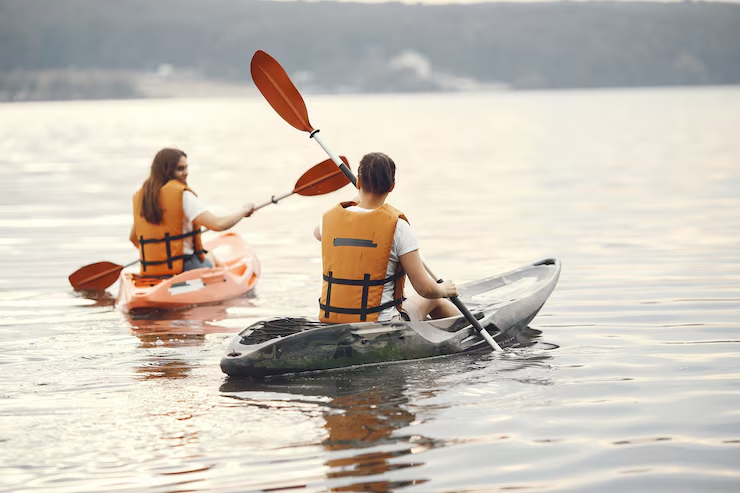
In rural areas, inhabitants and other people living in an area have for a long time appreciated outdoor recreation for nature, adventure and the spirit of belonging. With growth in trails, parks and recreation centres within rural areas comes the need for adequate development of infrastructure. Transportation infrastructure including roads and bridges, the water supply and internet connectivity at the very least, all help to facilitate the use of places one cannot reach except by such means. In the absence of these, rural landscapes might not effectively turn their potential for recreation, travel, and growth into productive use. However, there is still the requirement of enhancing such infrastructure in places that are intended to serve the purpose of tourism.
Roads and Access Points That Shape Adventure
A dependable transportation system lets the adventure-seeker venture out farther than the urban setting. The smooth roads and upkeep of such roads, pathways, and trails leading to hiking trails, lakes, or campgrounds lessen the barrier of travel and thereby encourage tourism. Road stabilization is very important in difficult terrain where erosion or adverse seasonal weather may at times make a route almost impassable during certain periods. Good and stable routes keep the vehicle safe and that of infrastructure also, besides evading emergency and service personnel from reaching far-flung areas when required.
Rural Infrastructure as a Driver of Local Economies
Joy comes from enjoying one’s stay in nature not only physically, but also in an emotional and financial sense. People who live in towns and villages are more likely to categorize and upgrade the facilities within the village than those who live in cities. Consequently, economic growth will blossom and the village will see an increase in foreign businesses such as accommodation providing households colocated with veranda hotels, camp facilities, and shops with the gear for active exercise. This is based on the assumption that people are inclined to travel and as a result spend more money, in effect boosting the economies of different areas. Such projects can also create jobs for construction purposes and maintenance thereby ensuring continued robustness of the rural economy.
Encouraging Family and Youth Engagement
Below are some of the benefits of a well planned rural infrastructure; it helps in promoting tourism, recreation of the family members as well as keeping the youths. The beauty of open trails, brown tracks and parks is that they make the youth enjoy being outside and as they do so, slowly they will come to love physical activities and nature. Nowadays, such activities as off-road rides are very common with families and with the introduction of can am kids buggy for example, these activities are made, both available and interesting. Where recreation improvement is a community policy, life expectations are enhanced in view of an active life and respect for land of forefathers is implanted.
Balancing Growth with Environmental Responsibility
Expanding available activities for rural recreation comes with the responsibility to safeguard the natural environment. Infrastructure planning has to dovetail sustainability measures so as to minimize the disturbance of local ecosystems. Choosing environmentally friendly materials, renewable energy options, and land management techniques have all the more reason to be considered. To that end, infrastructure improvements that conserve soil stability, manage storm runoff, and prevent pollution guarantee that the natural splendor of rural areas remains intact for decades. Working with conservation, rather than against it, creates a perfect balance that communities can use to access outdoor recreational pursuits.
The Role of Technology in Modern Recreation
Technology integration is rapidly shaping rural infrastructure for recreation. From GPS trails to smart lighting at campgrounds, innovations guarantee safety and convenience. Almost-reliable internet connectivity stands as a cornerstone for tourists to navigate, share experiences, and keep pandemonium from the locals. The technological advantage constantly enhances maintenance scheduling, counting visitors, and data collection directed to further improvements, courtesy of local governments and park managers. The interplay between convention and technological innovation makes rural recreation a little.
A Shared Investment in the Future
Outdoor recreation is successful within the rural context given the involvement of governmental bodies, local municipalities, private investors, and community members. Infrastructure initiatives are long-term projects that need to be managed well and shared by all. When localities band together for projects such as improvement of roads, utilities, and public space, that is when social capital and civic spirit flourish. Rural infrastructure ceases to be just that which facilitates physical access and evolves to become a matter of community pride and dignity.
Building Pathways to Discovery
Every hiking trail along the cliffside, fishing pier, or mountain road signifies the connection between man-made engineering and natural beauty. Infrastructure development goes further than merely laying roads or installing utilities-it is about making pathways that inspire exploration and foster community spirit. Whether it be through the improvement of access routes or environmental protection campaigns, or engaging youth activities, rural infrastructure centres on the experiences that give outdoor recreation life and meaning. By developing such infrastructure, rural areas shall go on to flourish as places of exploration, adventure, and sharing joy.